The Restoration Lab
Conservation, not Renovation: preserving the soul of vintage pieces
Gentle Care Principles
The goal of caring for vintage furniture isn't to make it look new—it's to preserve its character while ensuring it remains functional and beautiful for years to come.
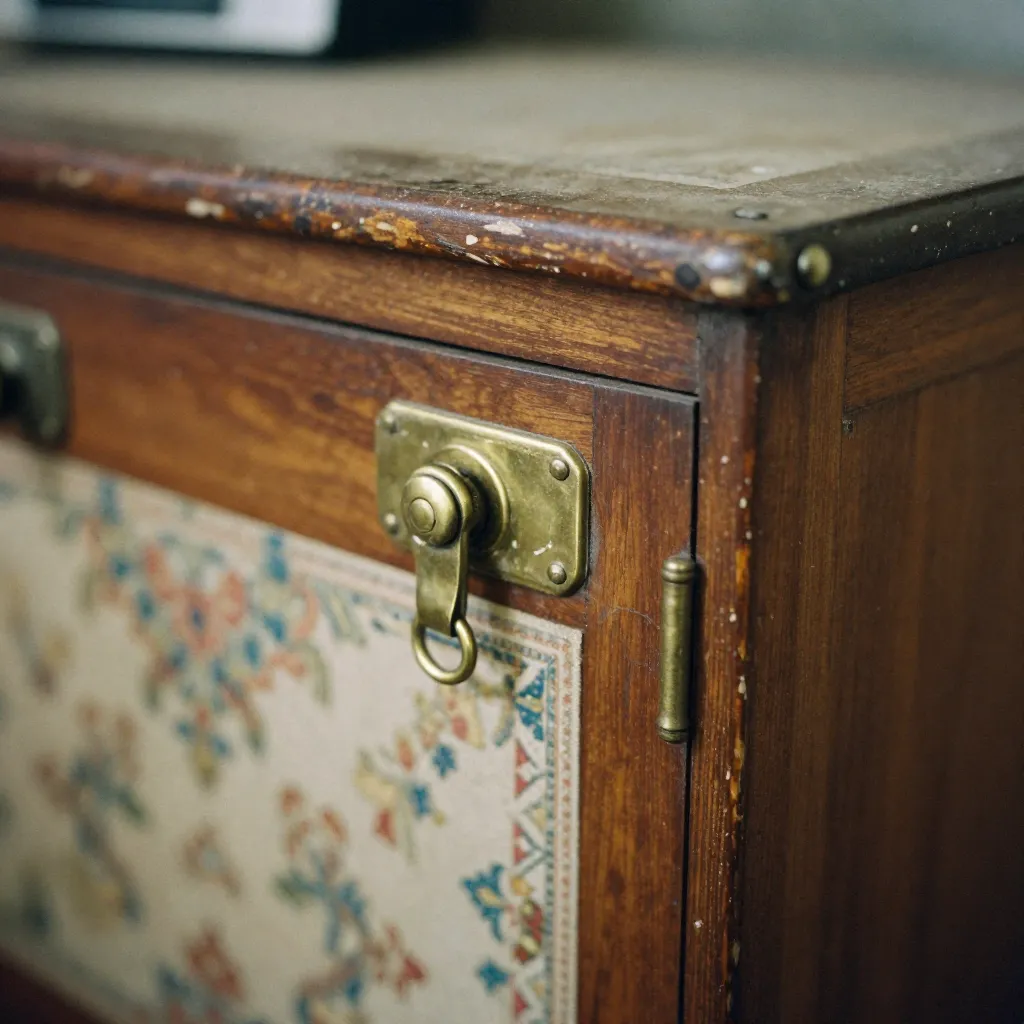
Preserving Patina
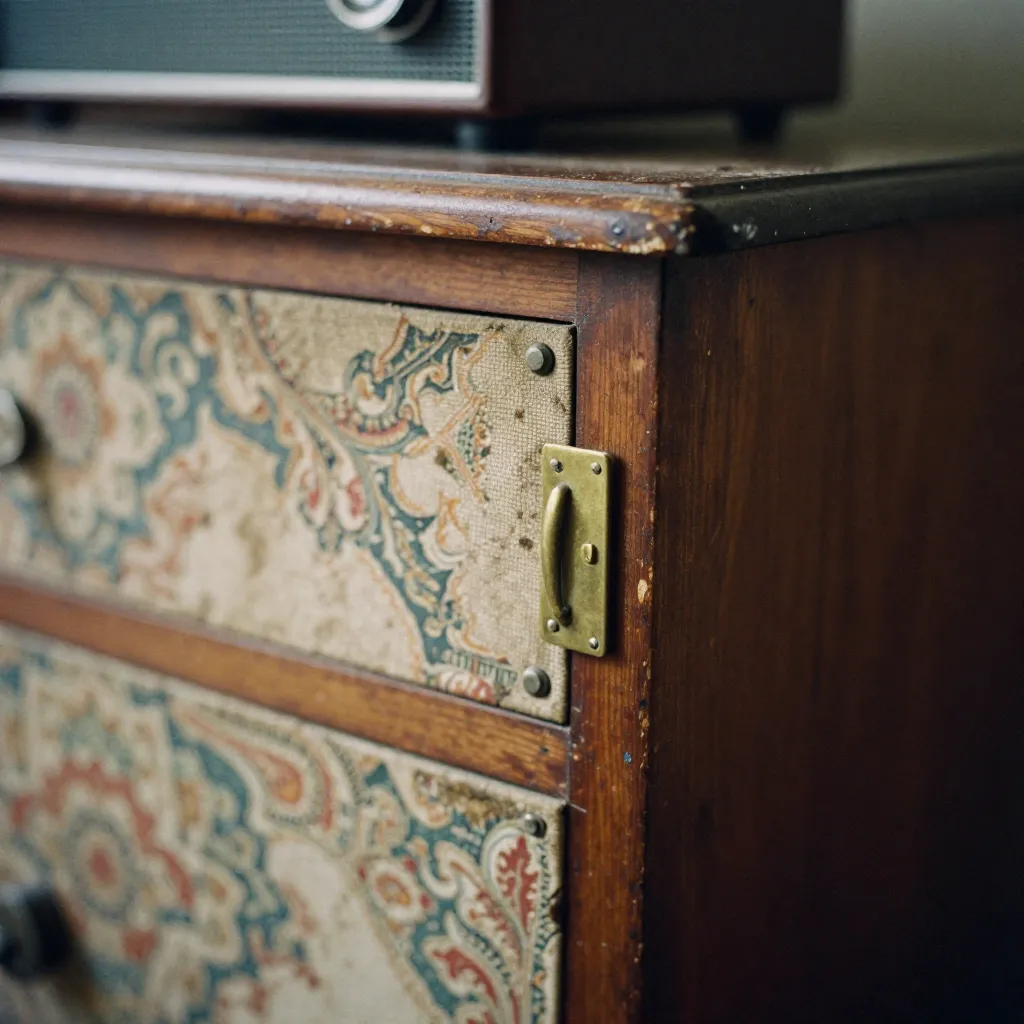
Patina is the natural aging that gives vintage furniture its character. Rather than removing it, we work to preserve and enhance it. This means gentle cleaning that removes dirt without stripping away years of natural aging.
Think of patina as the furniture's history written on its surface. Scratches, wear patterns, and color changes tell the story of how the piece was used and loved over decades.
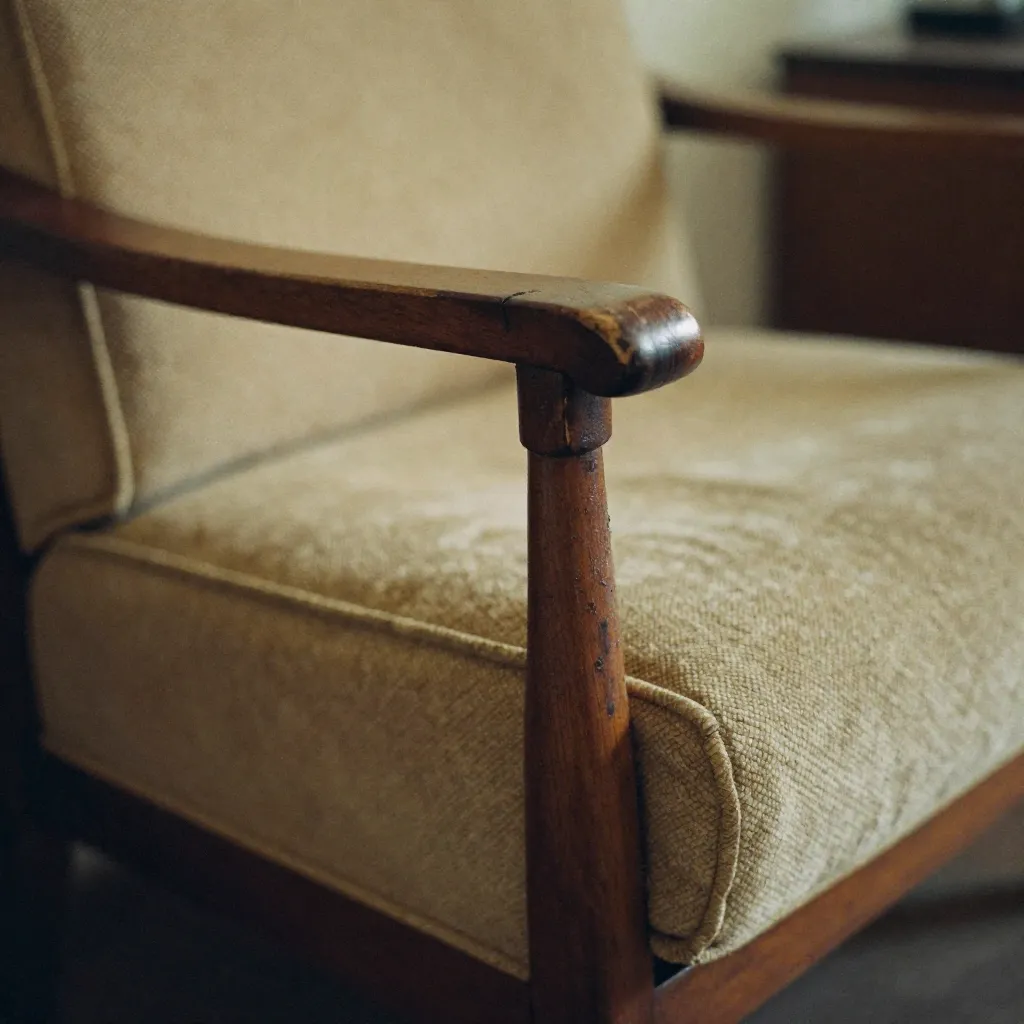
Natural Materials
When cleaning vintage wood, natural oils are your best friend. They nourish the wood without harsh chemicals that can damage finishes or strip away character. Simple solutions often work best.
Avoid modern cleaning products with strong solvents or abrasives. These can remove patina, damage original finishes, and compromise the integrity of older materials.
Cleaning Old Wood
Natural Oil Treatment
For wooden furniture, a gentle approach preserves both appearance and integrity. Start with a soft, slightly damp cloth to remove surface dust. For deeper cleaning, use natural oils like linseed or tung oil.
Apply oil sparingly with a soft cloth, working in the direction of the grain. Allow it to penetrate for several minutes, then gently buff away excess. This nourishes the wood and enhances its natural beauty without aggressive treatment.
Remember: less is more when working with vintage finishes.
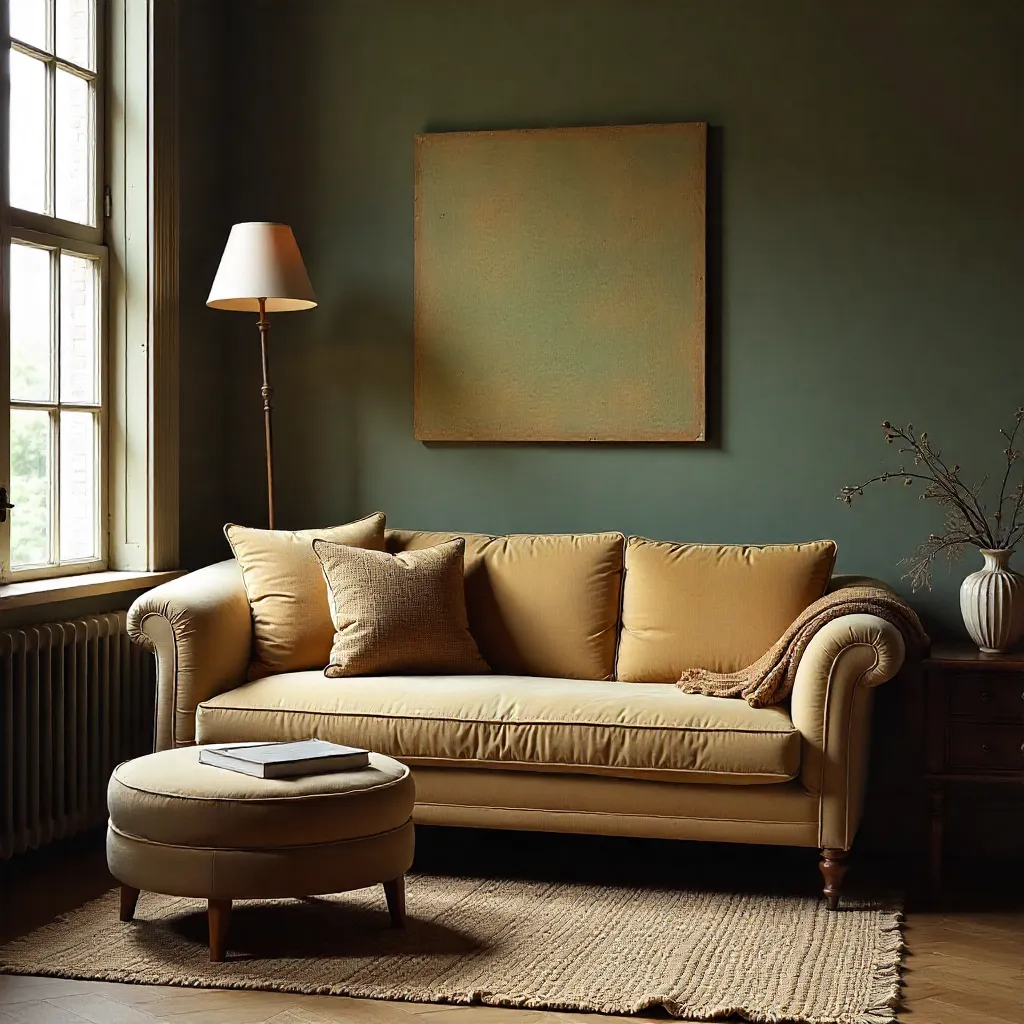
Repairing Without Losing Character
Loose Joints
When a joint becomes loose, the goal is to restore function without losing the piece's vintage character. Traditional hide glue can often be reactivated with gentle heat, allowing joints to be tightened without visible modern adhesives.
Surface Scratches
Minor scratches can often be minimized with careful application of matching wood stain or wax. The key is to blend repairs seamlessly rather than making them disappear completely, maintaining the piece's authentic appearance.
Hardware Restoration
Original hardware adds significant character. When cleaning, use gentle methods that preserve patina. If replacement is necessary, seek out period-appropriate pieces that match the original style and materials.
Maintenance Routines
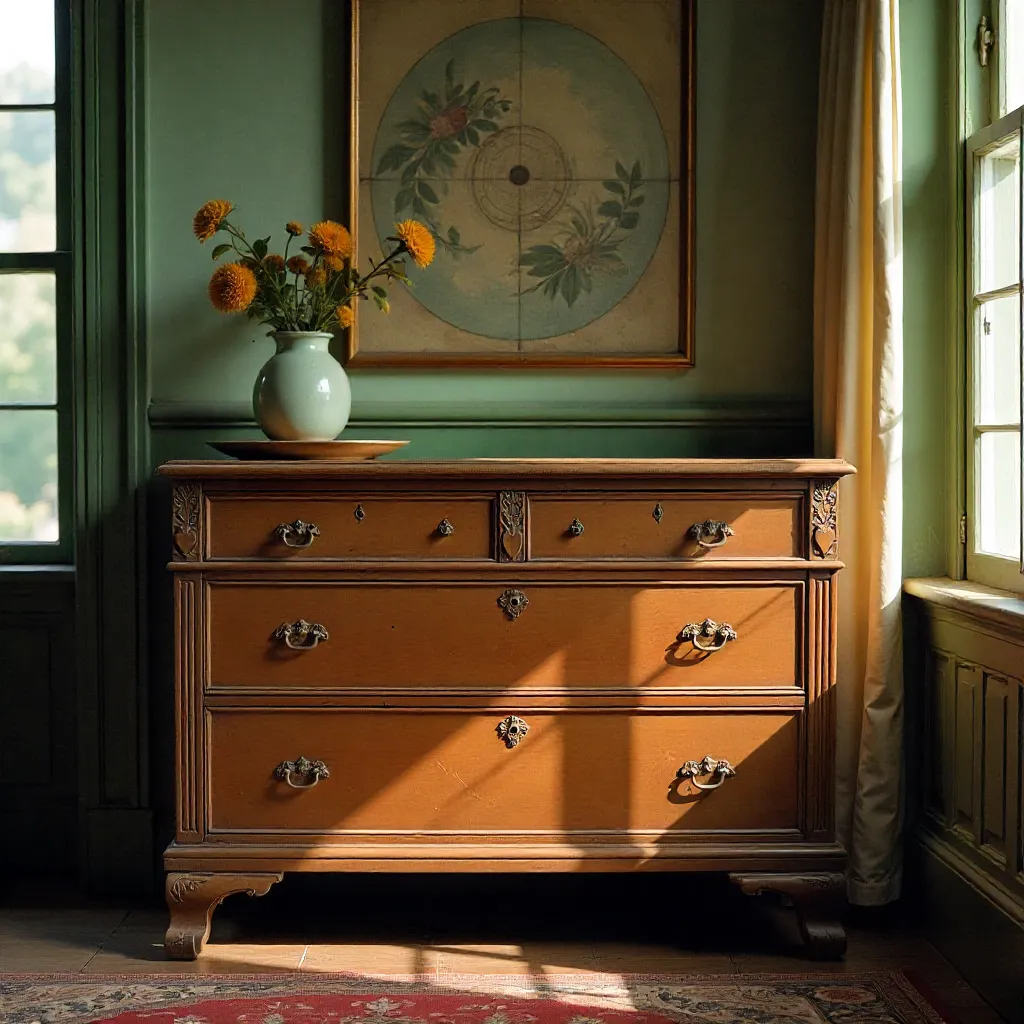
Regular Care
Regular maintenance prevents the need for major restoration work. Dust furniture weekly with a soft, dry cloth. Avoid placing vintage pieces in direct sunlight or near heat sources, as these can cause fading and drying.
For upholstered pieces, regular vacuuming with a soft brush attachment helps preserve fabric. Rotate cushions periodically to ensure even wear. Address spills immediately with gentle blotting rather than rubbing.
Wooden surfaces benefit from occasional conditioning with natural oils, but avoid over-treatment. Too much oil can create a sticky surface or attract dust.
When to Seek Professional Help
While many maintenance tasks can be handled at home, some situations require professional expertise. Structural damage, significant finish problems, or valuable antiques should be evaluated by experienced conservators.
A good conservator understands the difference between restoration and conservation. They'll help preserve your piece's character while addressing functional concerns, ensuring it continues to tell its story for generations.