Style Collision
The art of combining periods: creating harmony through contrast
The Compatibility Gallery
The most interesting interiors don't stick to one period or style. They tell a story through thoughtful combinations that create visual interest and depth.
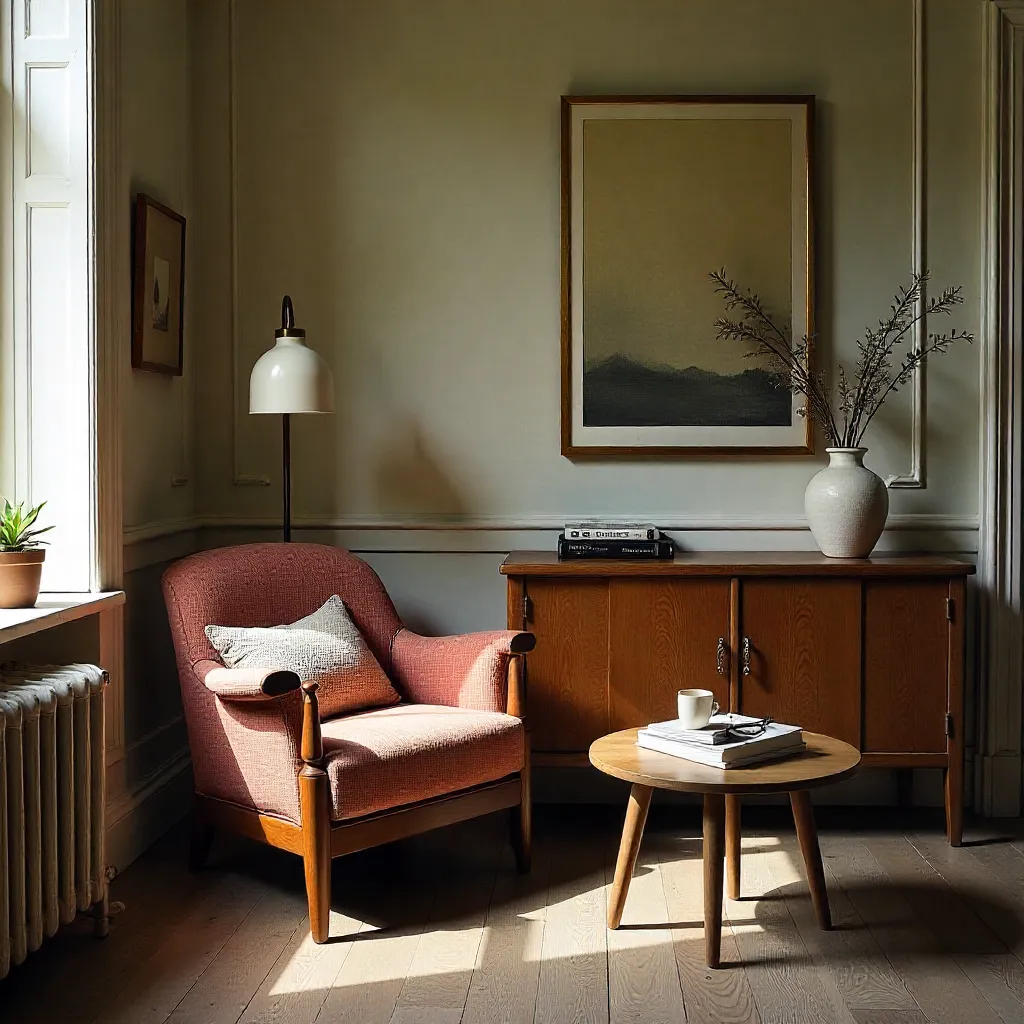
Period Pairings
A 1960s Finnish stool can sit beautifully next to a contemporary sofa. The contrast between the organic curves of mid-century design and the clean lines of modern furniture creates visual tension that's both exciting and harmonious.
When mixing periods, consider scale and proportion. A delicate antique chair might get lost next to a massive modern sectional, but paired with a sleek side table, it creates a balanced composition.
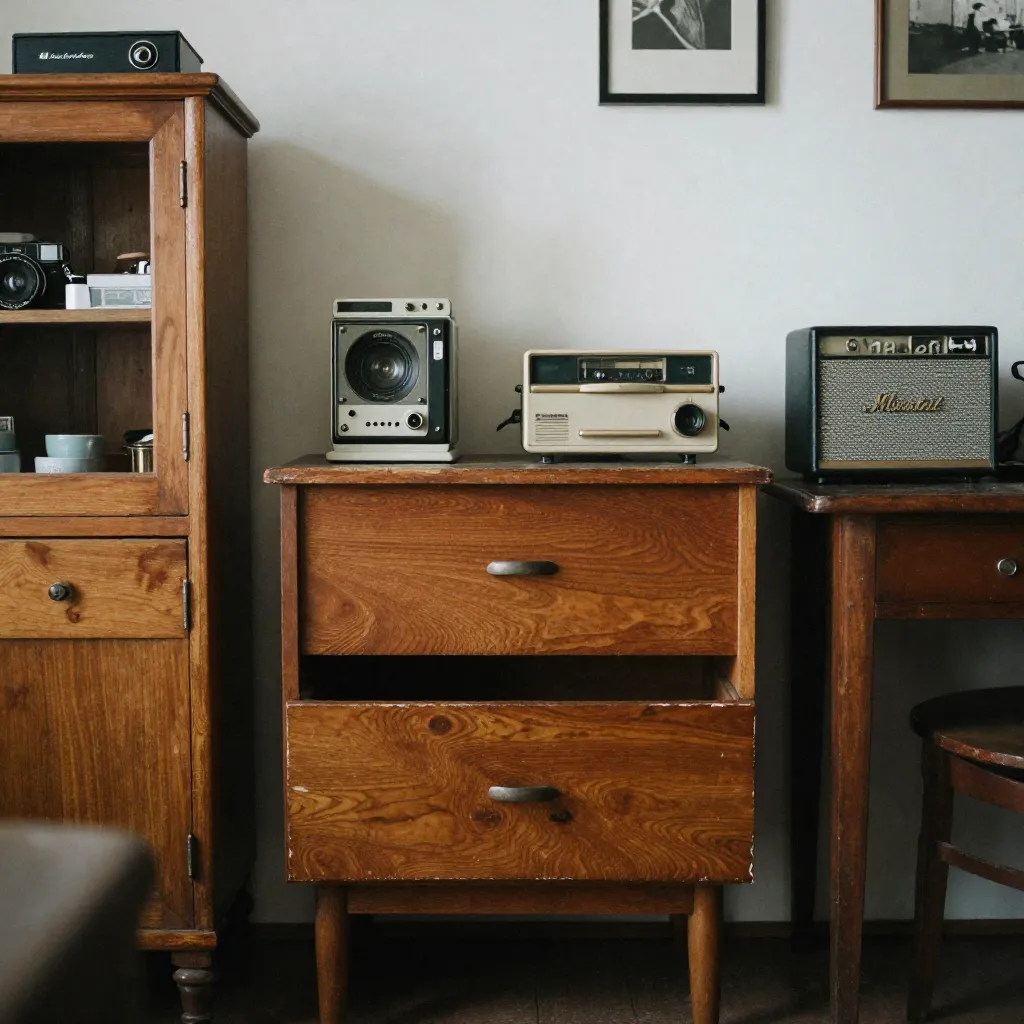
Texture and Contrast
An ornate 19th-century mirror can transform a concrete-walled apartment. The intricate details of vintage pieces stand out more dramatically against minimalist backgrounds, creating focal points that anchor the entire room.
Texture plays a crucial role in successful mixing. Rough, aged wood against smooth modern surfaces, or soft vintage textiles against hard contemporary materials, creates layers that make a space feel rich and inviting.
Principles of Successful Mixing
Color Harmony
Use color to create connections between pieces from different eras. A vintage rug might share tones with a modern painting, or an antique lamp might echo colors found in contemporary textiles.
Scale Balance
Pay attention to proportions. Large vintage pieces can anchor a room filled with smaller modern items, or vice versa. The key is creating visual weight that feels balanced throughout the space.
Focal Points
Let one period dominate while the other provides accents. A room full of modern furniture might feature one stunning vintage piece as the star, or a vintage-heavy space might include contemporary lighting for contrast.
Real-World Combinations
Scandinavian Meets Industrial
Pair clean-lined Scandinavian furniture from the 1960s with industrial elements like exposed brick or metal shelving. The warmth of teak and the coolness of metal create an interesting dialogue.
This combination works particularly well in converted lofts or spaces with architectural character. The simplicity of Scandinavian design complements rather than competes with industrial features.
The contrast highlights the best qualities of both styles.
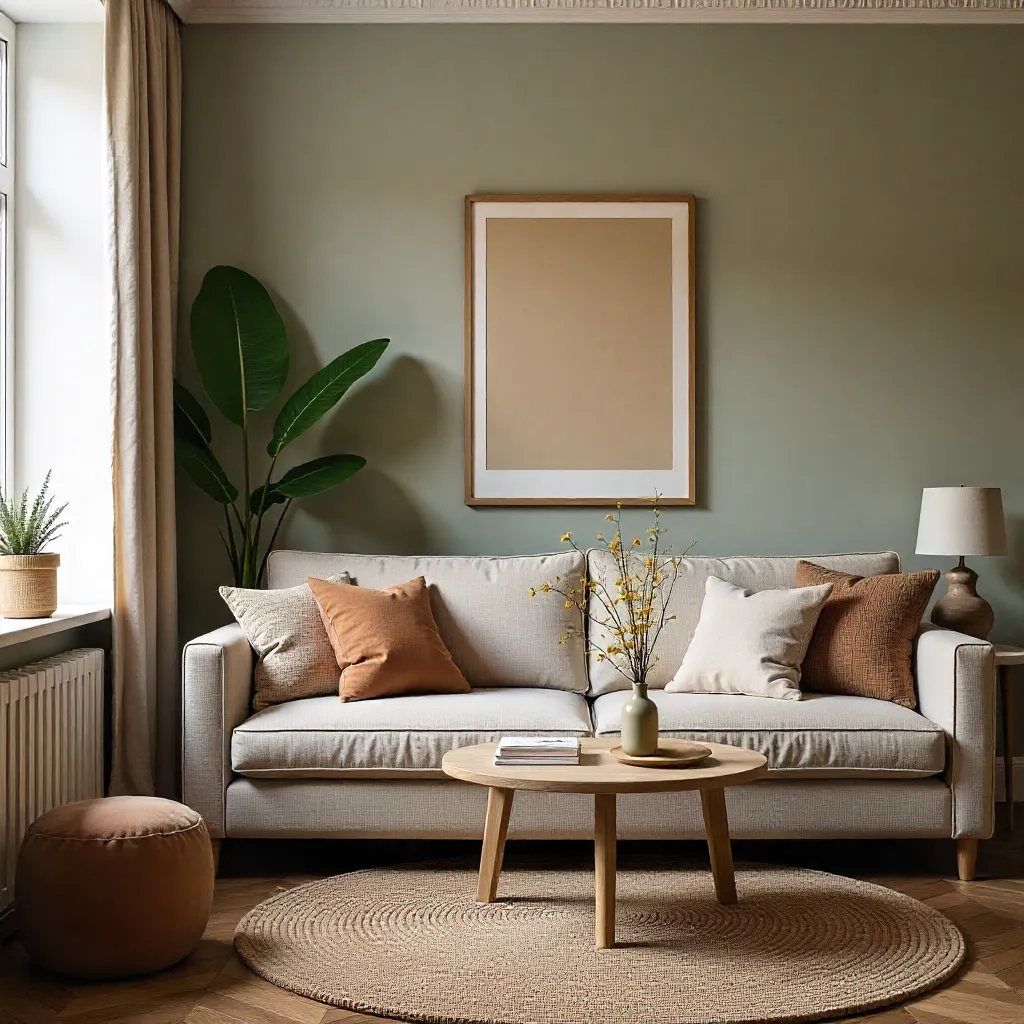
Creating Visual Flow
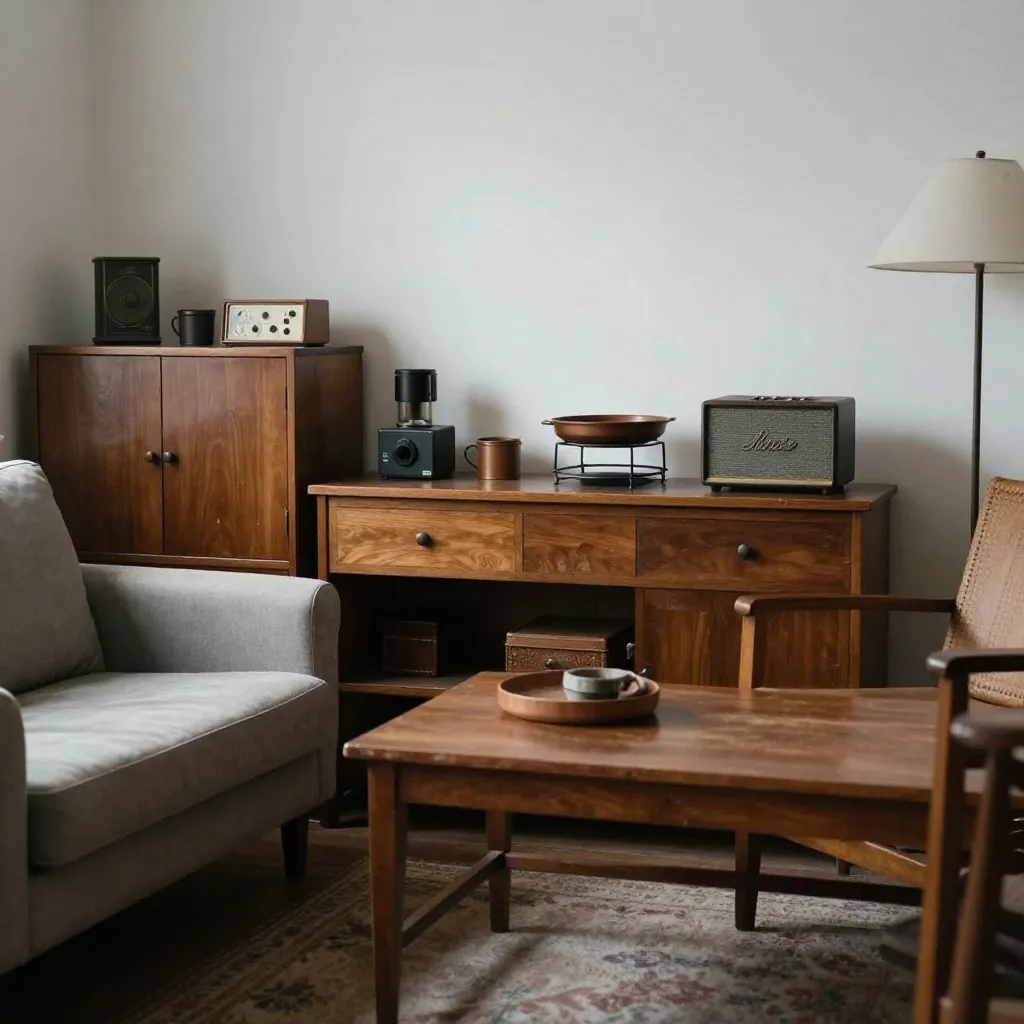
Transitional Elements
Use transitional pieces that bridge periods. A lamp from the 1980s might have elements that feel both vintage and contemporary, helping to create flow between older and newer pieces.
Natural materials like wood, stone, and leather work across periods. A vintage leather chair feels at home with modern furniture because the material itself transcends time periods.
Consider the overall mood you want to create. Do you want the vintage pieces to feel like collected treasures, or integrated seamlessly? Both approaches work, but require different strategies.
Common Mistakes to Avoid
Overwhelming the Space
Too many competing styles can feel chaotic rather than curated. Start with a base style—either vintage or modern—and add pieces from the other period thoughtfully.
Remember that negative space is important. Not every surface needs decoration, and not every piece needs to make a statement. Sometimes the best vintage piece is one that quietly supports the overall design.
Ignoring Function
Beautiful combinations must also work practically. A vintage chair might look perfect next to a modern desk, but if it's uncomfortable for daily use, it becomes decoration rather than furniture.
Consider how pieces will be used daily. Vintage furniture often requires more maintenance, so factor that into your choices. A beautiful antique rug might not be practical in a high-traffic area.
Building Your Collection
The best mixed spaces develop over time. Start with pieces you love, and let your collection grow organically. Don't feel pressured to complete a room all at once.
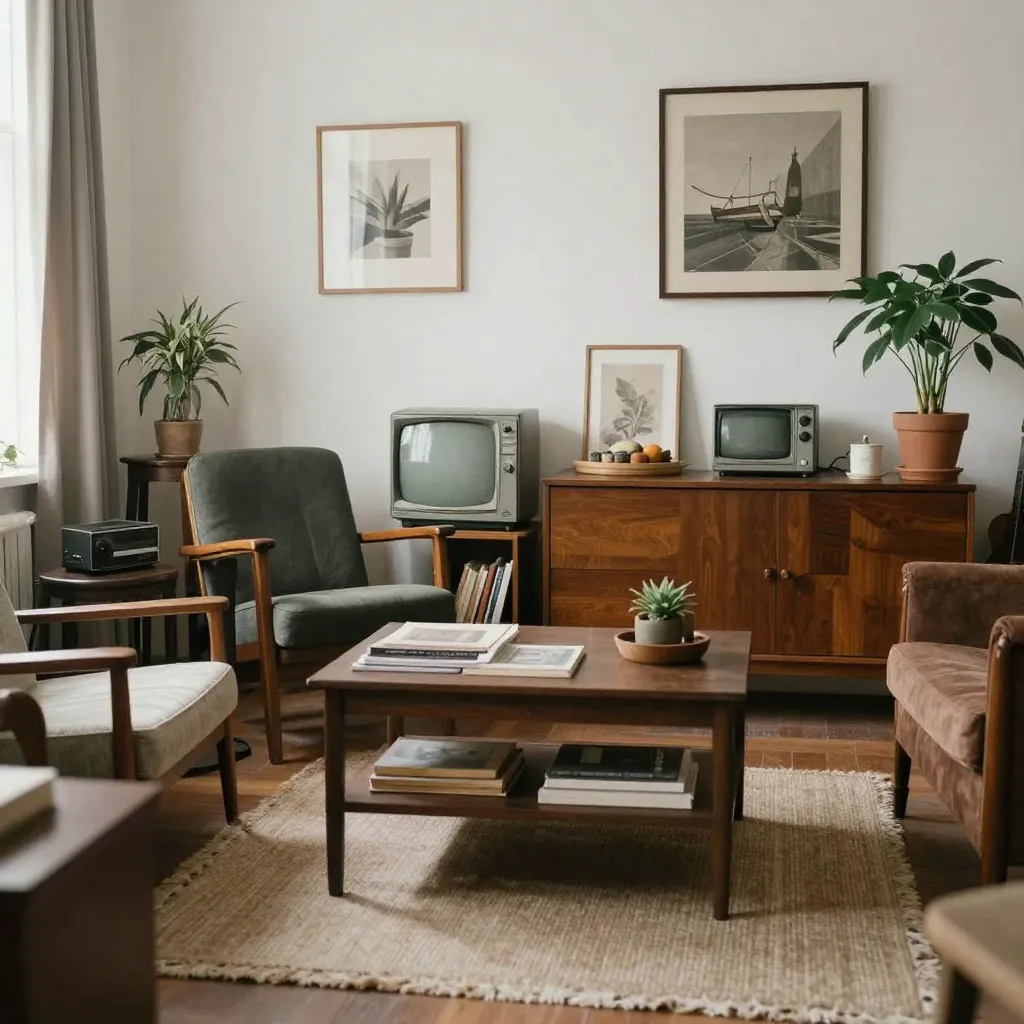
As you add pieces, you'll develop an instinct for what works together. Trust your eye, but also don't be afraid to experiment. Sometimes the most unexpected combinations create the most interesting results.