The Patina Guide
A visual dictionary of materials: learning to recognize authenticity
Understanding Material Authenticity
Every vintage piece tells its story through its materials. Learning to identify genuine materials versus modern imitations helps you make informed choices and appreciate the true value of craftsmanship.
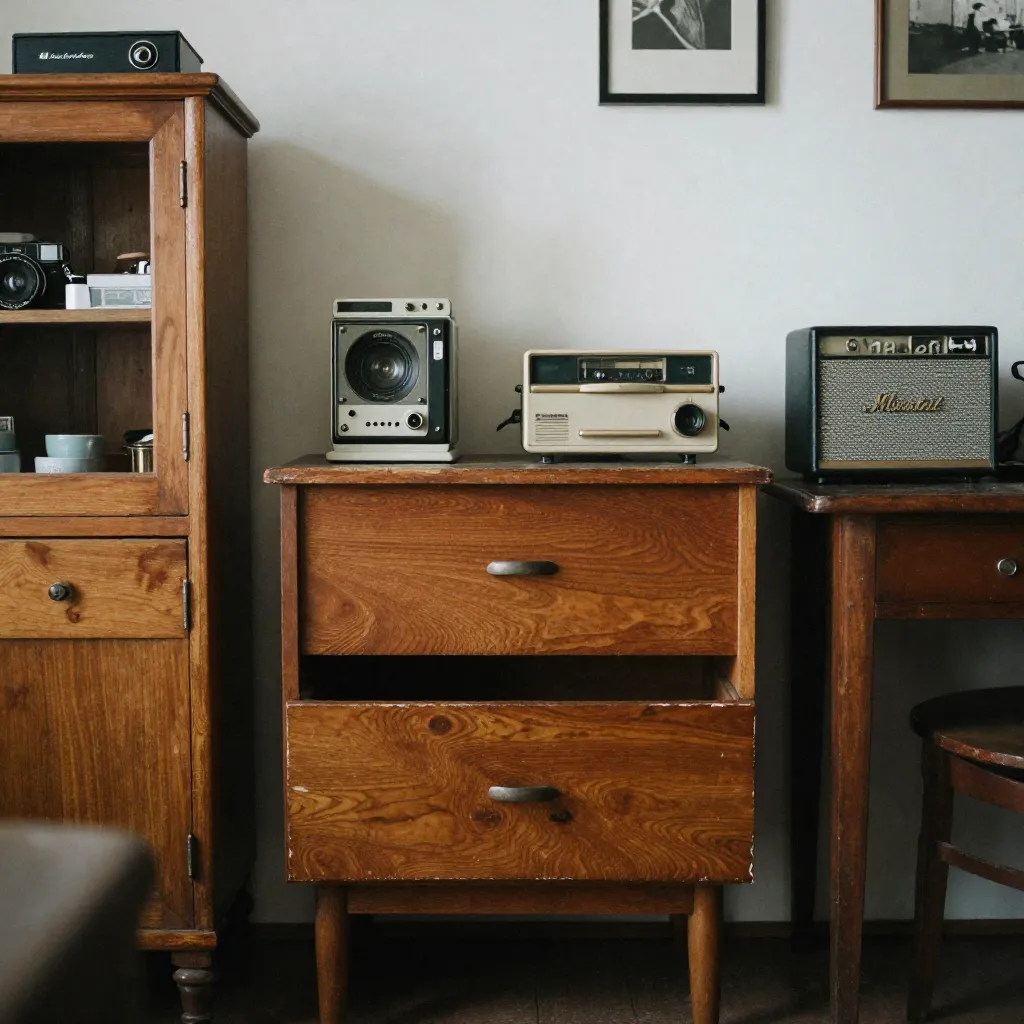
Solid Wood
Real wood develops character over time. Look for variations in grain pattern, natural knots, and the way light reflects differently across surfaces. Solid wood feels substantial and has weight to it.
Modern imitations often have uniform patterns, feel lighter, and may show signs of veneer edges or particle board underneath. The patina on genuine wood comes from years of use and natural aging.
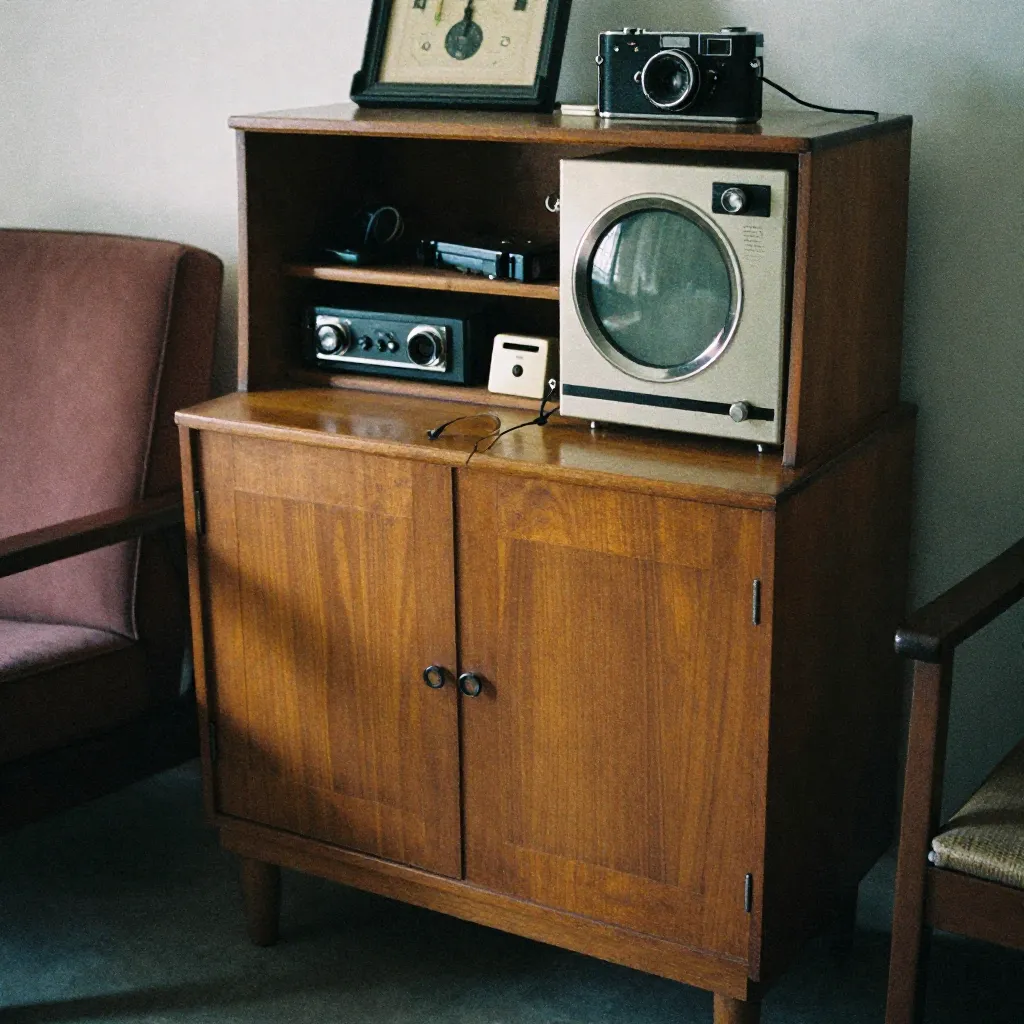
Brass and Metal
Authentic brass develops a rich patina over time. You'll notice areas of darker oxidation, especially in recessed details. Real brass feels cool to the touch and has a distinctive weight.
Plated metals often show wear spots where the coating has rubbed away, revealing a different material underneath. Genuine brass can be polished, but many collectors prefer to leave the patina intact as evidence of age.
Celebrating Imperfections
The Beauty of Wear
Scratches, dents, and worn edges aren't flaws—they're evidence of a piece's history. A table with scratches tells you it was used, loved, and part of someone's daily life.
When examining vintage furniture, look for consistent wear patterns that make sense. A chair seat that's more worn than the back suggests regular use. Drawer handles polished smooth from countless openings show genuine age.
These imperfections add character and authenticity that cannot be replicated.
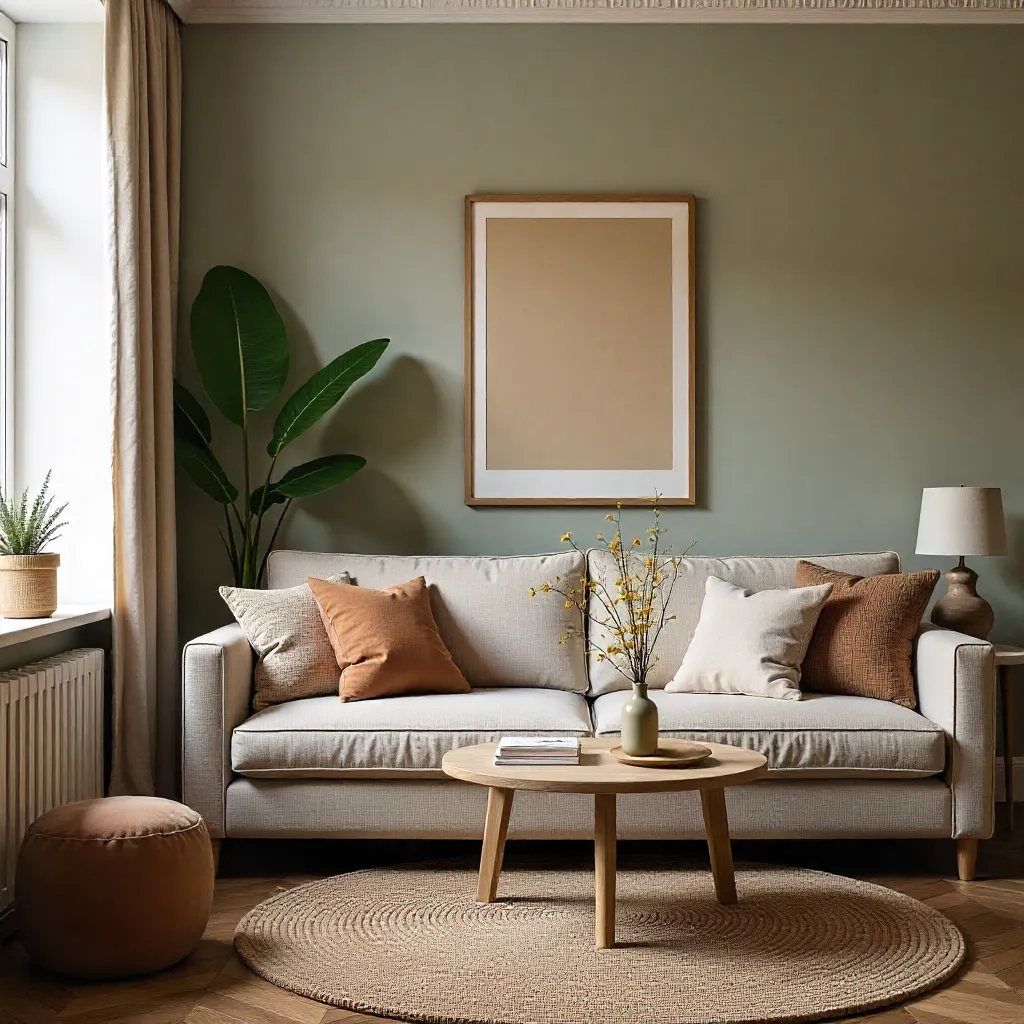
Material Identification Tips
Touch Test
Genuine materials have distinct textures. Solid wood feels warm and has grain you can feel. Real leather has natural variations and softens with age. Synthetic materials often feel uniform and lack depth.
Weight Matters
Authentic materials typically have more heft. Solid wood furniture feels substantial. Real brass hardware has weight that plastic or plated alternatives lack. If something feels suspiciously light, investigate further.
Visual Clues
Look for natural variations, grain patterns, and aging that makes sense. Real materials show wear consistently. Check edges, corners, and hidden areas for signs of construction methods and material quality.
Wool and Natural Fibers
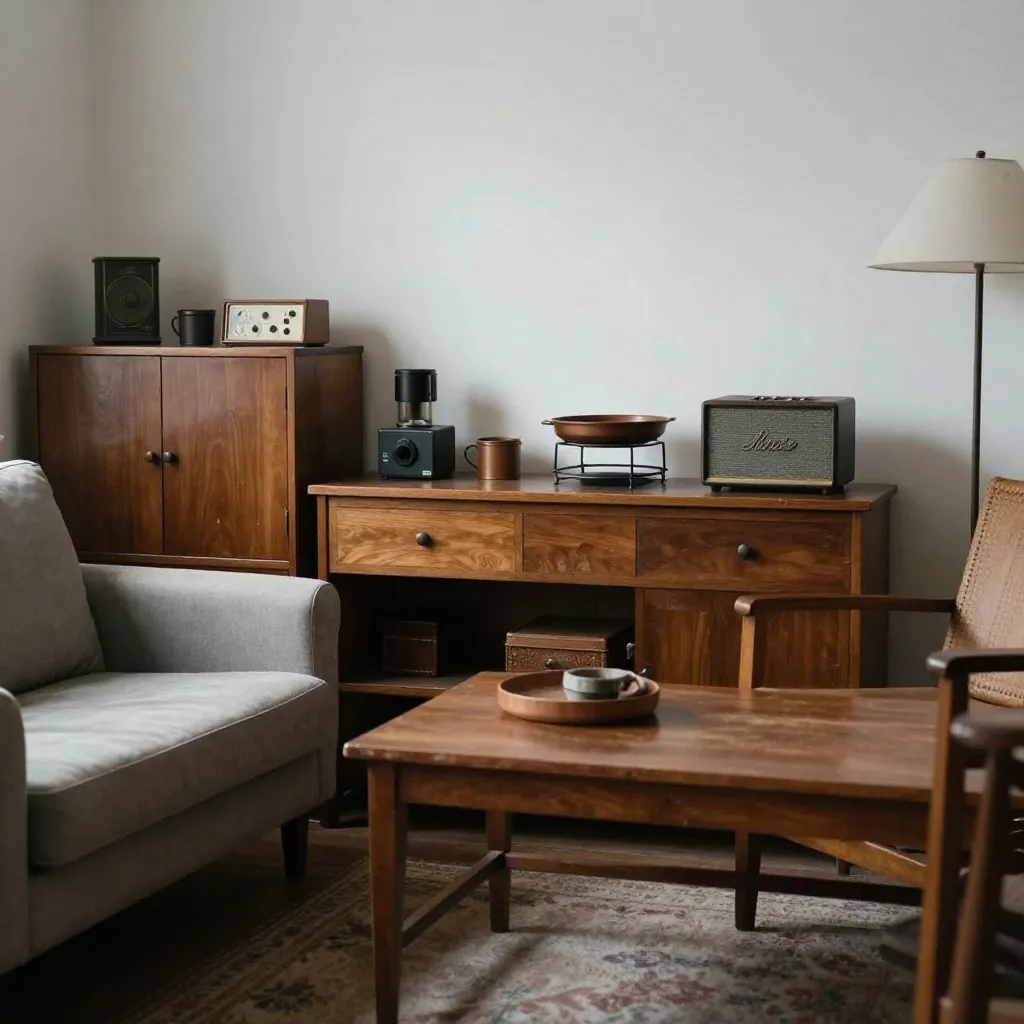
Recognizing Quality Textiles
Genuine wool has a natural luster and slight springiness. It feels substantial and has natural variations in color and texture. Older wool upholstery may show slight pilling or fading, which adds to its character.
Modern synthetic fabrics often feel smoother, have uniform patterns, and lack the natural variations of authentic materials. Quality vintage textiles were made to last, and their durability is often still evident decades later.
When examining upholstered pieces, check seams, corners, and areas that receive less wear. Quality construction and materials show throughout, not just in visible areas.
Building Your Knowledge
The best way to learn material identification is through hands-on experience. Visit showrooms, antique shops, and furniture stores. Touch different materials, compare weights, and observe how authentic pieces age.
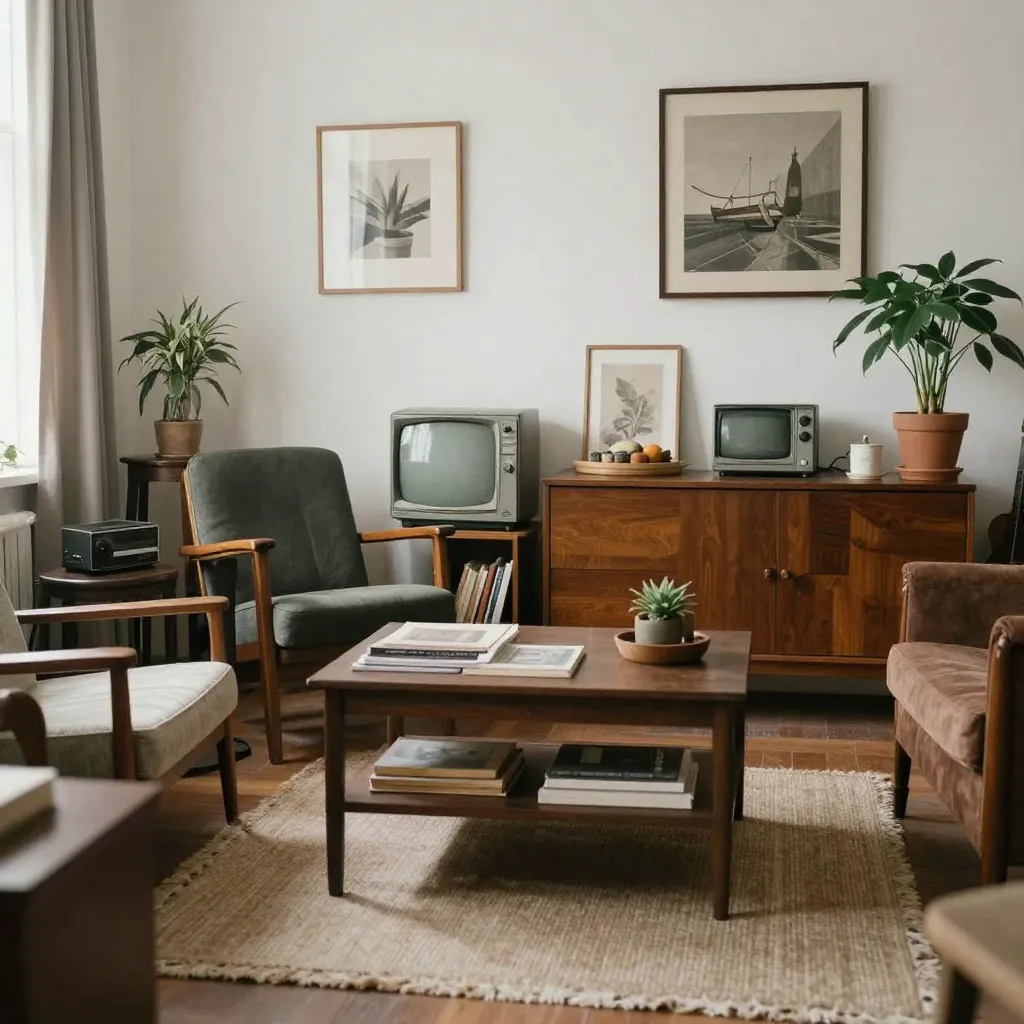
Over time, your eye will become trained to recognize quality and authenticity. This knowledge helps you make better purchasing decisions and appreciate the true value of well-crafted vintage furniture.